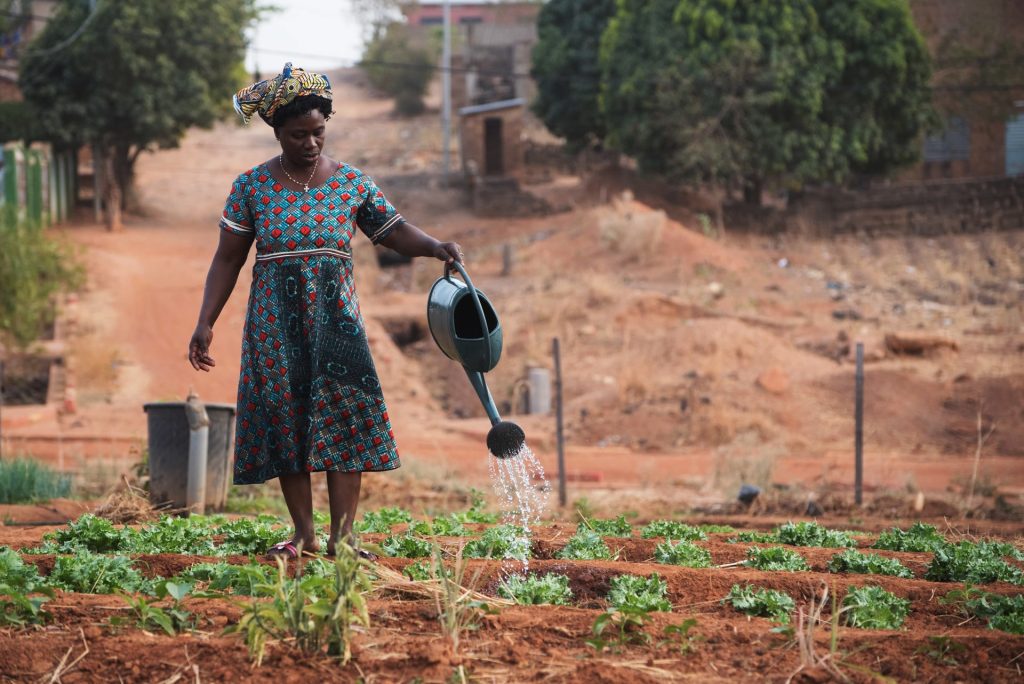
The pictures in the banner
and slide show above are
from Eckerton Hill Farm ...
the center and inspiration for much of what we write and
think about farming in Pennsylvania. To learn more about the farm, click here.
Launching a new website project is kind of like farming – you have to learn to adapt. We had been putting off refreshing content until our web host fixed a glitch that makes it hard for people who've signed up for our email newsletter to log in to the forums. We're working on a solution, and hope to have it resolved soon, but spring waits for no one, and we’ve got stories to tell …
… Such as Eckerton Hill farmhand Nelson Harvey’s trip to Cuba, and his insightful description of why comparing biological farming on that island nation to similar farming systems in the United States will always be comparing organic apples and oranges.
… And Eckerton Hill farm manager Wayne Miller's romp to an old-fashioned “mud auction” in the flatlands of New Jersey.
… And Columbia environment and public policy masters degree candidate Genevieve Slocum contrasting a world where food is grown in high-tech sterile high rises to her own experiences foraging for “wild” edibles in Central Park.
… And Penn State Extension agent and sustainable farming educator Tianna Dupont’s practical advice, based on University of Maryland research, on weed control through biofumigation and solarization.
… And research agronomist Dave Wilson’s recollection and wisdom about cover cropping and spreading mushroom compost at Wild Persimmon Farm.… And Food Sleuth Melinda Hemmelgarn exploring community food security, the truth about pesticides and the big business that our food system has become as she interviews expert guests on her groundbreaking program on KOPN Radio.
… And my own recollection of Pennsylvania Association for Sustainable Agriculture (PASA) Brian Snyner’s rousing speech about “true sustainability” given at the PASA annual meeting in February (which brings us full circle as one of the first times I heard Brian speak was when he gave a slide show presentation on the West Chester University campus following his own inspiring trip to Cuba.
Please bear with us while we work out the technical glitches. We explain a temporary workaround where you log into the forums.
Here’s to the knowledge that through synergy, connectedness, community, perseverance and faith – kind of like farming – we can change our broken food system, one bite at a time.
Dan Sullivan
There's a term that floats around farming circles during early spring. Specifically, in the northeast, the term "mud auction" starts to roll off farmers' lips as well as adorn the front page of the Lancaster Farming News. Read More
A farmer-educator shares his views
and knowledge regarding the soul and the soil. By “Sweet Corn” (aka, research
agronomist Dave Wilson).
This spring in late March, the fields at Wild Persimmon Farm (on of three growing sites and the only farm owned outright by Eckerton Hill) were being prepared for planting. Tim Stark, Wayne Miller and a neighboring farmer used manure spreaders to spread mushroom compost on the soon-to-be tomato fields. The mushroom compost was spread on top of the overwintering medium red clover which had been utilized as a winter cover crop in the some of the fields. Read More
The professor of my “Medical Ecology” class has us researching vertical farms, giant glass skyscrapers packed with all the crops needed to feed a small city, and I’m not sure how I feel about it. My task is to figure out how several of these beasts would fare in urban centers in Australia. Part of me internally revolts against the notion of removing all aspects of nature from farming, even if just theoretically. Read More
With organic and urban farming expanding rapidly in the United States, what can we learn from the Cuban experiment in building an organic agricultural network of small, decentralized cooperative farms and urban gardens?
Comments